

Why Strength Progress Stalls: Common Mistakes That Limit Gains
Most people who strength train experience rapid increases in size and strength during their first one to two years of training, even when following suboptimal programming. Progress often continues despite imperfect form, poor exercise selection, or incomplete recovery strategies. Eventually, however, many reach a plateau where strength stops advancing in meaningful ways. A classic example is struggling for more than a year to add just five pounds to a bench press that had previously climbed steadily. This can be frustrating!
The issue is rarely a complete lack of effort. More often, it stems from specific, correctable errors in how training is structured and executed. Below are six frequent reasons strength gains slow or stop, along with practical ways to address them.
Strength Training Tip:
A strength plateau doesn’t always mean you need to train harder. Training volume, exercise selection, recovery, intensity, and consistency can all influence your ability to continue making strength gains.
1. Prioritizing Only Enjoyable Lifts Over Necessary Ones
Too often people gravitate toward movements they perform well or find rewarding. A strong deadlifter may consistently prioritize heavy pulls while treating squats as secondary. Over time this imbalance limits overall progress, because weaker links constrain the entire system.
A more effective approach places the weaker or less preferred lifts earlier in the session, when energy and focus are highest. Training the lagging movement first twice per week often produces noticeable improvement in that lift. Interestingly, consistent exposure frequently increases enjoyment of the previously avoided exercise as competence grows.
2. Skipping Strategic Deload Periods
Have you ever hit the gym after a week or two off and felt amazing?! Even athletes capable of high performance metrics (for example, a 37-inch vertical jump) typically demonstrate lower numbers on most training days because residual fatigue is present. The majority of a training career is spent in some degree of accumulated fatigue. If you are always training with fatigue your ability to perform those important extra reps or meet the intensity needed to create change is harder to hit.
Effective programs deliberately impose enough stress to drive adaptation (supercompensation) while periodically reducing training stress through planned deloads. Without these lower-stress periods, the body cannot fully recover and express the fitness that has been built. Attempting a new “PR” consistently usually leads to accumulated exhaustion rather than continuous progress. Strategic overreaching followed by reduced volume or intensity allows adaptation to occur.
3. Failing to Rotate Strength Exercises
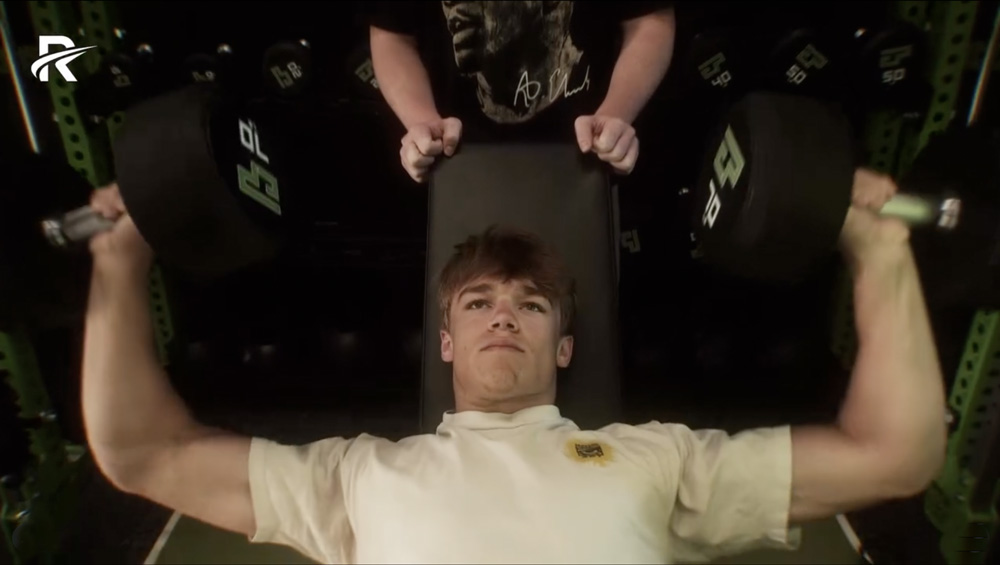
Many lifters who report stalled bench presses, squats, or deadlifts respond to the question “What have you been doing to improve it?” with the same single exercise. Specificity matters, yet exclusive reliance on one movement for extended periods eventually limits progress.
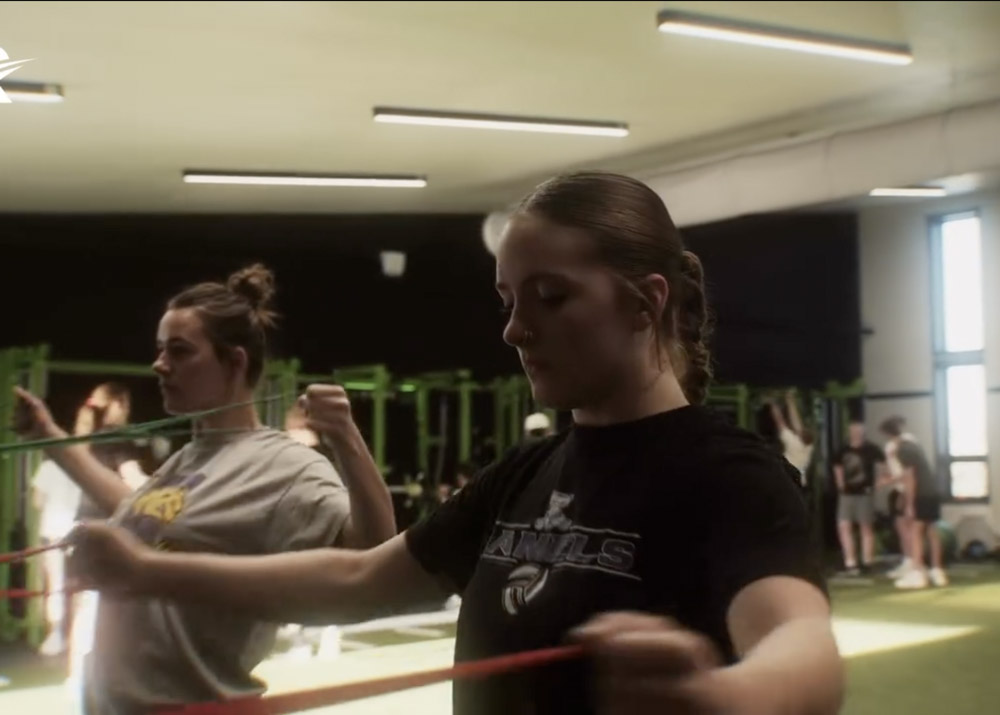
Rotating primary strength exercises provides a valuable training stimulus. It promotes continued adaptation, expands the motor program, and reduces the risk of overuse injuries from repetitive pattern overload. Extended specificity phases (such as specialized squat cycles) have their place, but they cannot be sustained indefinitely. More advanced trainees often benefit from weekly rotation of main lifts, while assistance exercises can typically be rotated every four to six weeks. No need for a complete program overhaul; modest, regular fluctuations in exercise selection are usually sufficient.
Sports Performance Tip:
Exercise variation isn’t just for avoiding boredom. Strategic exercise selection can help athletes develop strength through different movement patterns while managing repetitive stress.
4. Inconsistent Training Execution
The most effective strength programs are sustainable ones. A mediocre program performed consistently outperforms an excellent program followed sporadically. Unplanned breaks disrupt progressive overload and make year-to-year improvement difficult, particularly for athletes with limited off-season windows.
A program must align with an individual’s goals, schedule, and lifestyle. Options that accommodate two, three, or four training days per week, along with flexible conditioning and exercise substitutions, increase adherence. Safety features further support consistency: mobility work, targeted stretching, progressive loading schemes, fluctuations in training stress, and alternative exercise options when the primary variation is not appropriate. Long-term progress is heavily influenced by the simple ability to complete planned sessions without frequent interruptions.
Rehab Solutions Perspective:
Consistency is especially important when strength training is part of an injury recovery or sports performance program. Your training plan should be challenging enough to create adaptation while still allowing your body to recover.
5. Using Inappropriate Repetition Ranges
Beginners can gain strength with loads as low as 40% of one-rep max. After the novice phase, roughly 70% of one-rep max (approximately a 12-rep maximum for many lifters) becomes more effective. Intermediate trainees often respond well to loads around 85% (roughly a 5-rep maximum). Many online resources emphasize this range.
For more advanced lifters, however, the fastest strength gains frequently come from regular work at or above 90% of one-rep max, performed as singles. When combined with exercise rotation and planned deloads, this approach can be sustained for extended periods. It does not require testing a true one-rep maximum every session; heavy singles performed consistently tend to produce new personal bests naturally over time.
6. Undervaluing The Basic Controllables
Work smarter not harder. We have all heard the saying, but too often we overthink it and put forth the effort in the areas like training, but undervalue quality sleep, elite nutrition and hydration, and supplementation to support your goals. Missing on these easy things can hold you back from seeing improvements in your strength training and performance.
Our standard recommendation is to get 8-8.5 hours of consistent sleep every night. Put your body in a rhythm of predictable sleep schedules and wake times. Know where your calories are coming from and choose unprocessed foods over processed, limit or eliminate flours and sugars. Alcohol is proven to be catabolic and comes with wasted calories. Aim for greater than 120 oz of water a day and add more if you are training outside in dry heat or extra humid conditions. Everyone can benefit from creatine monohydrate and a hydration drink that includes important electrolytes like calcium, magnesium, potassium, zinc, and sodium. Just try to skip the drinks with sugar in them.
Performance Basics:
Before looking for the next advanced training technique or supplement, make sure the fundamentals are covered: consistent training, adequate sleep, appropriate nutrition, hydration, and recovery.
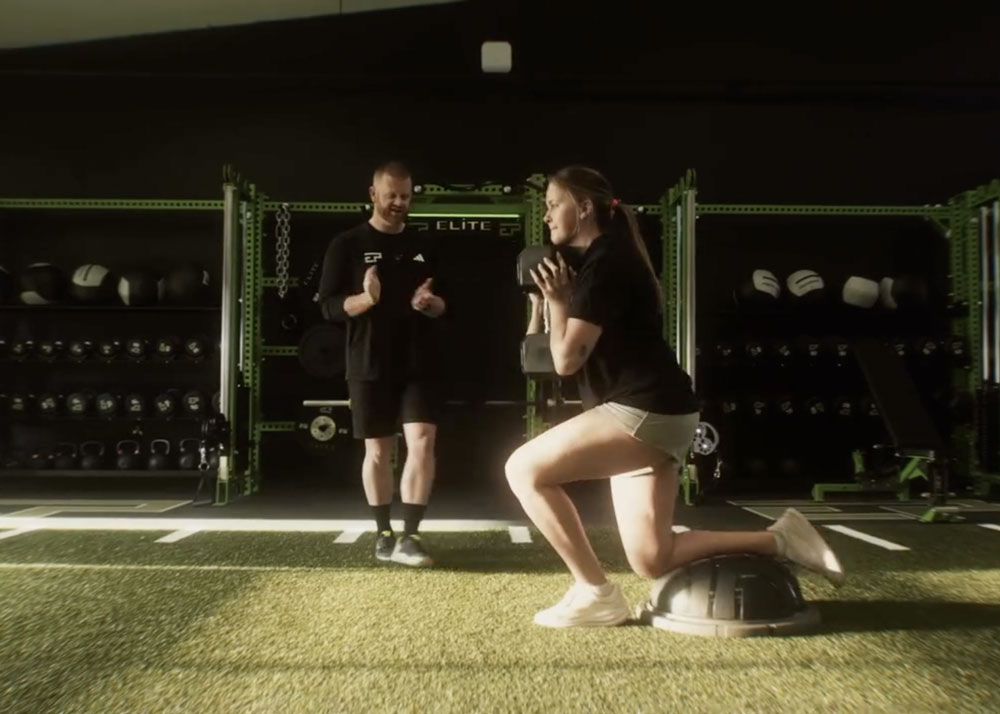
Addressing these six areas—balancing exercise selection, managing fatigue with deloads, rotating movements, maintaining consistency, and selecting appropriate intensity—removes common barriers that keep strength from advancing as quickly as desired. Progress resumes when training is structured to support long-term adaptation rather than short-term preference or maximal effort in every session. Hopefully targeting these areas will improve your gains in the gym and in the wild. Now, go crush it!
Frequently Asked Questions About Strength Training & Performance
Why have my strength gains stalled?
Strength plateaus can have several causes, including inconsistent training, excessive fatigue, inadequate recovery, repetitive exercise selection, inappropriate training intensity, or focusing too heavily on exercises you already perform well.
How can I increase my strength?
A well-designed strength training program should combine progressive overload with appropriate exercise selection, training intensity, recovery, and consistency. The right approach depends on your experience, goals, and current physical condition.
How often should I change my strength training exercises?
There isn’t one schedule that works for everyone. Strategic exercise rotation can provide a new training stimulus and help manage repetitive stress, while some movements may be kept in a program for longer periods when specificity is important.
Is strength training good for athletes?
Yes. Strength training can be an important component of sports performance. Developing strength can support an athlete’s ability to produce force, control movement, and perform sport-specific activities.
Can physical therapy help improve strength and athletic performance?
Physical therapy isn’t limited to treating injuries. Sports physical therapists can also help athletes and active individuals improve movement, strength, conditioning, and physical resilience while taking individual limitations and injury history into account.
Where can I get sports performance or strength training help in Gillette, Wyoming?
Rehab Solutions Physical Therapy in Gillette, Wyoming, works with athletes and active individuals who want to improve strength, movement, performance, and overall physical function. Our team can help develop an individualized plan based on your goals and current abilities.

Andrew Nielsen
PT, SCS, CSCS
Board Certified Sports Clinical Specialist
Certified Strength and Conditioning Specialist