
How to Walk Normally After ACL Reconstruction:
Why Knee Extension Matters
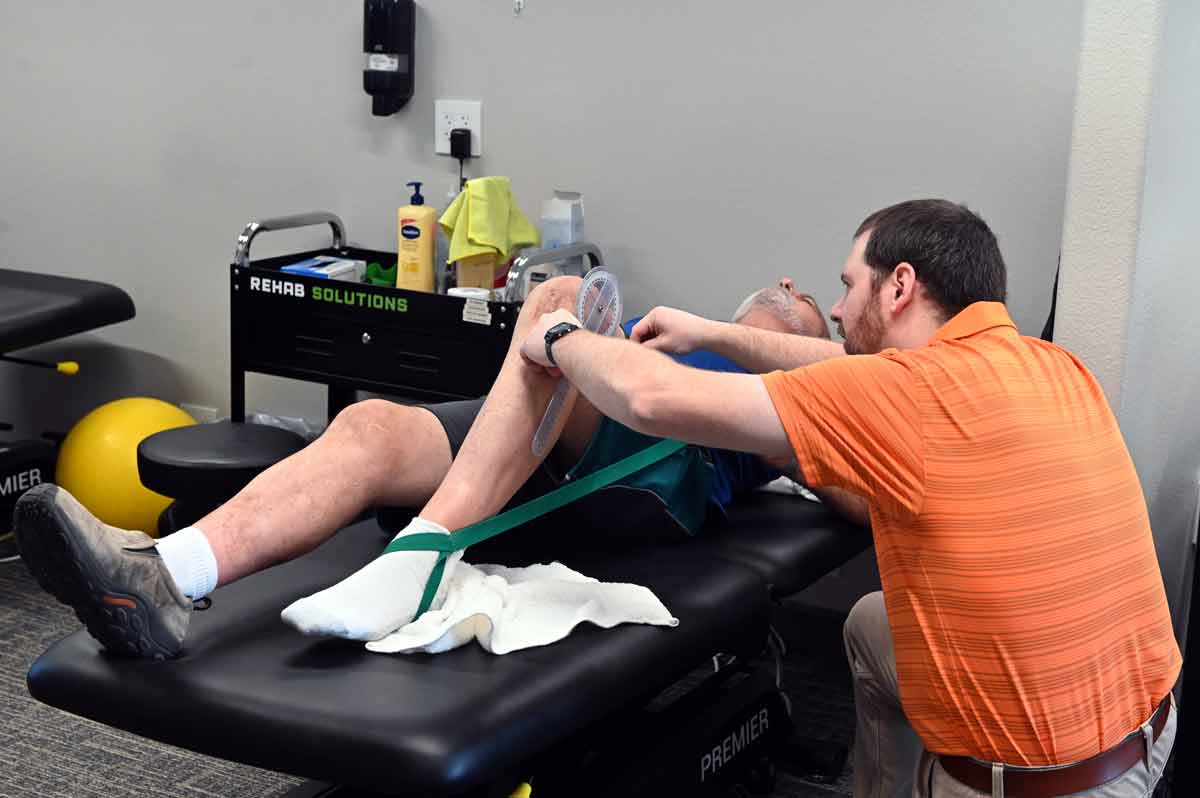
After ACL reconstruction, swelling, soreness, stiffness, and weakness are expected. But one of the biggest factors affecting how quickly you return to a normal walking pattern isn’t simply how much pain you have—it’s whether you can fully straighten your knee.
Why Knee Extension Matters After ACL Surgery
Regaining full knee extension should be a priority during ACL rehabilitation. Even a small loss of extension can change your walking mechanics and increase the demands placed on the muscles surrounding your knee.
When you can’t fully straighten your knee, your body naturally compensates. You may shift more weight onto your non-surgical leg or alter the way you walk to avoid putting additional demand on the affected knee.
Over time, these compensations can contribute to stiffness, weakness, altered movement patterns, and discomfort elsewhere in the body.
How Swelling Affects Your Quadriceps
Swelling is common after ACL reconstruction, but it can also make recovery more difficult. Joint effusion can inhibit quadriceps activation, leaving the muscles around the knee feeling weak or difficult to engage.
Combine that weakness with a lack of full knee extension, and walking normally becomes even more challenging. Your body may compensate by shifting weight to the opposite leg and reducing the load on the surgical leg.
This is one reason restoring knee extension early in ACL rehabilitation is so important.
ACL Prehab: Start Before Surgery
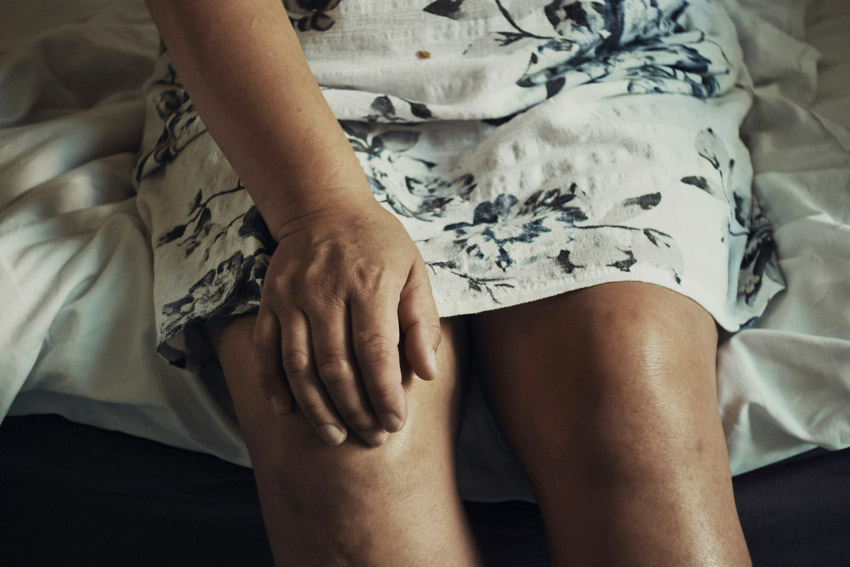
If you’re preparing for ACL reconstruction, physical therapy can begin before surgery. This is often called prehabilitation, or “prehab.”
Whenever possible, the goal is to enter surgery with:
- Full knee extension
- Nearly normal knee flexion
- Minimal swelling
- Good quadriceps activation
- As much strength and function as your injury allows
Starting from the strongest possible position gives you a better foundation for post-operative rehabilitation.
Managing Swelling After ACL Reconstruction
Your physical therapist may recommend several strategies for managing swelling and gradually restoring movement. One commonly used framework is POLICE:
P — Protect: Protect the surgical knee while following your surgeon’s precautions.
OL — Optimal Loading: Appropriate movement and loading are important parts of recovery.
I — Ice: Cryotherapy may help manage pain and swelling.
C — Compression: Compression can help manage swelling as normal movement returns.
E — Elevation: Elevating the leg can assist with swelling management.
Your physical therapist can help determine which strategies are appropriate for your individual recovery.
Physical Therapy After ACL Reconstruction
ACL rehabilitation is about much more than simply getting your strength back. Your physical therapist can help you restore:
- Knee range of motion
- Quadriceps activation
- Walking mechanics
- Strength and stability
- Balance and movement quality
- Functional activity and sports performance
At Rehab Solutions Physical Therapy in Gillette, Wyoming, our therapists work with athletes and active adults throughout ACL reconstruction recovery. We create individualized rehabilitation programs focused on restoring movement, strength, and function.
If you’re preparing for ACL surgery or recovering from an ACL reconstruction, Rehab Solutions Physical Therapy can help you build a plan to get back to moving with confidence.